
Understanding & Treating Skin Hyperpigmentation Naturally
Hyperpigmentation—dark spots, melasma, and uneven skin tone—is one of the most common skincare concerns. Understanding its causes is the first step to effective treatment.
What Causes Hyperpigmentation?
Sun Exposure: UV rays trigger melanin production
Hormonal Changes: Pregnancy, birth control, menopause
Inflammation: Acne, injuries, or irritation
Age: Natural accumulation of sun damage
Types of Hyperpigmentation
Sun Spots (Solar Lentigines): Flat, brown spots from sun exposure
Melasma: Larger patches often triggered by hormones
Post-Inflammatory Hyperpigmentation (PIH): Darkening after acne or injury
Effective Brightening Ingredients
Alpha-Arbutin:
A safer alternative to hydroquinone, it inhibits tyrosinase to reduce melanin production gradually and safely.
Kojic Acid:
Derived from fungi, it blocks tyrosine formation—a precursor to melanin.
Niacinamide:
Vitamin B3 prevents melanin transfer to skin cells and has anti-inflammatory benefits.
Licorice Root Extract:
Contains glabridin, which inhibits tyrosinase and has anti-inflammatory properties.
Vitamin C:
An antioxidant that interrupts melanin production and brightens existing pigmentation.
Our Approach
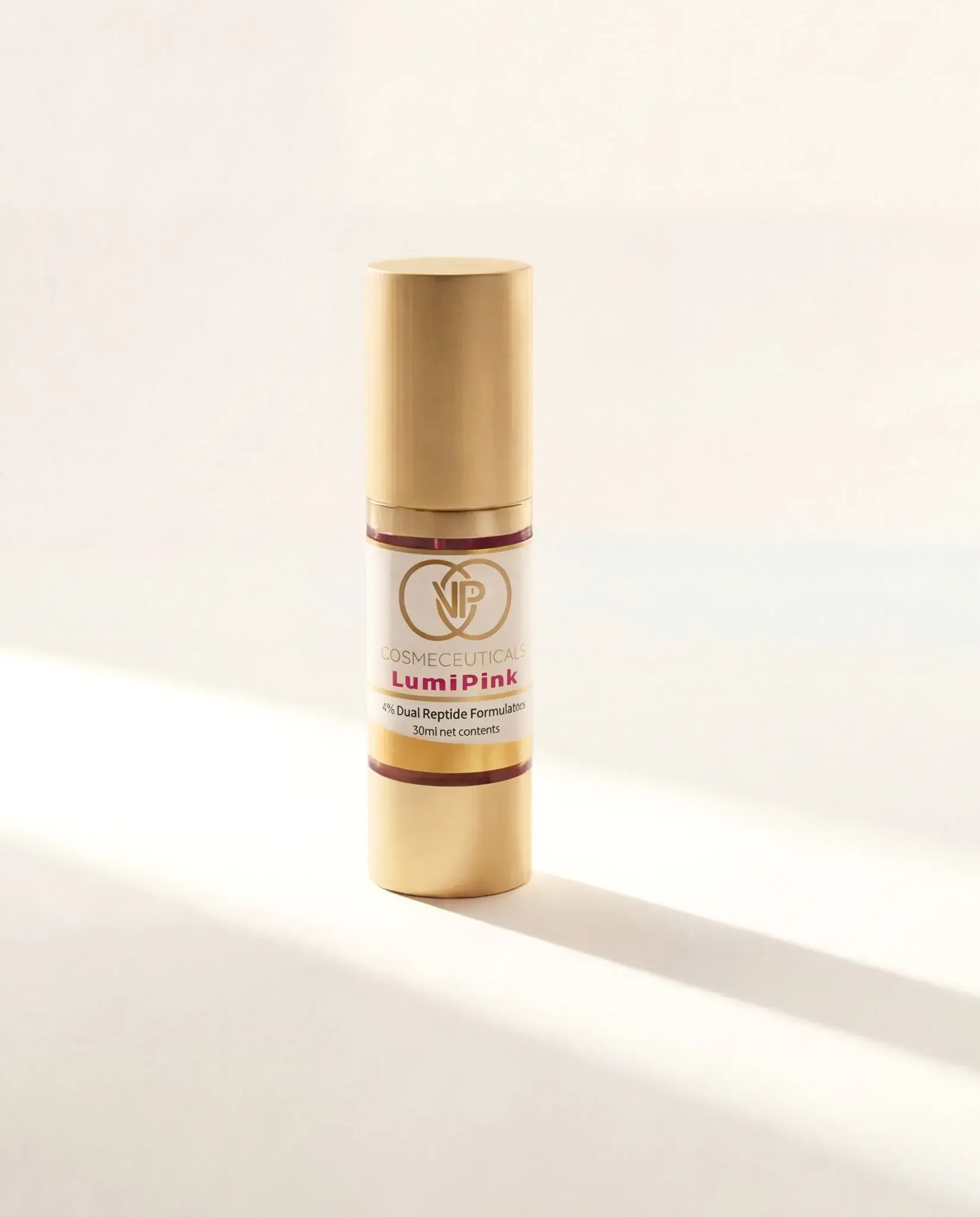
VP Cosmo's LumiPink Intimate Lightening Serum combines multiple brightening pathways: - Tetrapeptide-30 and Nonapeptide-1 for melanin regulation - Alpha-Arbutin and Kojic Acid for tyrosinase inhibition - Licorice Root Extract for anti-inflammatory brightening - Niacinamide for barrier support and tone evening
Prevention Tips
- Daily SPF:: Non-negotiable for preventing new spots
- Antioxidants:: Combat free radical damage
- Gentle Exfoliation:: Remove pigmented surface cells
- Patience:: Brightening takes 8-12 weeks minimum